Are you thinking about selling a bag but not quite sure where to start and how to get it right? You’ve landed on the right page. I’m going to tell you everything I know.
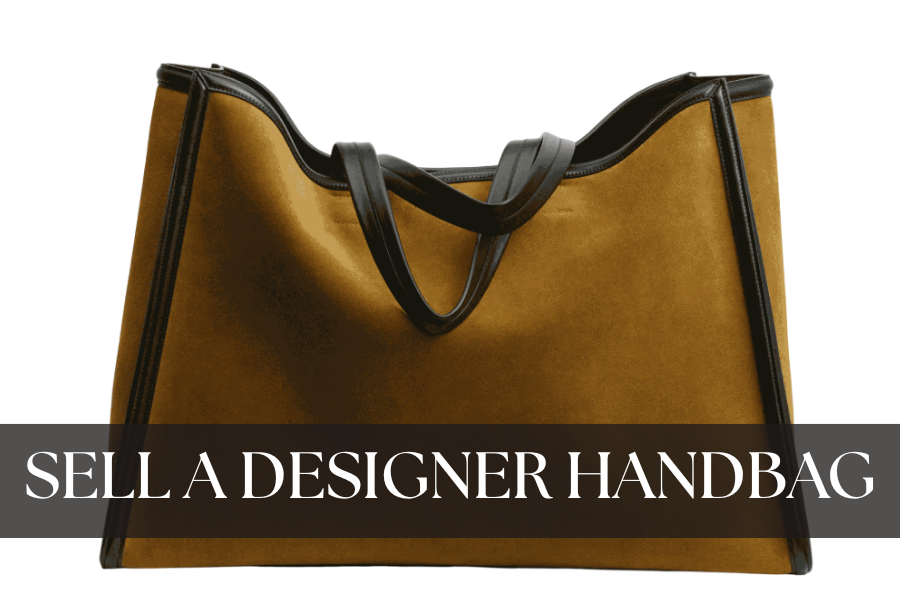
Hello, again! This is Blog Post #2 from a series on how to buy and sell a designer handbags. My first blog post was dedicated to buying second-hand designer handbags. You might want to read that first. It was an attempt to share tips and hopefully encourage you on the topic of second-hand designer handbags.
But in this blog post I dive into how to sell a designer handbag. Selling things is so important to me partially because I don’t like holding on to things that I don’t use and that don’t bring me joy – but most practically because I don’t have the luxury of unlimited space. I have to curate a collection of things that I love and I use on the regular.
You can probably sell any designer handbag you own on any of the currently available platforms – it’s true, you can. But in order to maximize return you need to follow a few important steps. It also really helps to be on both sides of this transaction. If you have bought and sold bags you understand this game a little bit better. So here are all my tips.
This blog post is everything about how to sell a designer handbag on the second-hand market. These are all my tips!
#1 KNOW YOUR BAG’S SPECIFICS
This includes your bag’s name, size, and color given by the brand. You might think the bag’s color is just blue but in fact Celine calls it ‘souris’, which means mouse in French and it’s a specific color. Or you might think it’s just green but there is ‘khaki’ and ‘army green’, and they both look green but different. You might think it’s a large belt bag, but Celine calls it ‘mini belt bag’ for its largest size.
This will influence your bag’s visibility when people search for it online. You want it to pop-up appropriately. It will also influence how people view your bag and its price point. People are more likely to pay more for a bag when it is titled correctly, because it is more likely to be authentic.
#2 MARKET ANALYSIS & PRICING
Look at different websites and look at the average price of the bag you’re going to sell. You don’t want to put a price that isn’t going to draw customers, you want to seem motivated to sell! However, don’t underestimate your bag, as only you know its value. If it is brand new or in pristine condition, the price should reflect that. You also don’t know if the bags that are available online are authentic, so don’t let that sway you into listing it for a lower price. If your bag is in a unique color that was seasonal and in high demand, that also has a price. I’ve noticed that the majority of websites that give you an average at the time of your listing, do not compare your bag to other bags in a similar condition, and that’s not helpful. They try to get you to list your item at a lower price so it sells quickly. Do not forget to set your bag’s price a little higher as people like to negotiate and get a deal.
#3 AUTHENTICITY CARDS AND RECEIPTS
A little late for an advice when you’re about to sell, but hopefully you saved these or can still find them somewhere. People pay much more for a bag that comes with the authenticity card or if the seller can show the receipt (personal details covered, of course). It all adds to the purchase story. Even if they are going to authenticate it themselves, they will value your bag at a higher price because it’s something that’s being given to them with the bag.
#4 DUSTBAG
Feeding off the previous point. Don’t suddenly decide to keep the dustbag! The dustbag is meant to protect the bag. If you’re selling the bag, please provide the dustbag with it. The idea is very similar to the paperwork. If you can’t find the dustbag when you’re selling the bag, it means you didn’t store it in the dustbag, that means you probably didn’t take care of your bag. People pay more for a bag that comes with a dustbag, similar to the way they pay for all the other extras. If you lost your dustbag, go to Poshmark and Ebay and buy one. I promise you, the return on this is higher than the cost you pay upfront.
#5 RIBBONS AND STORE BAG
Ok, I admit this is a little extra. But I tend to save every bit of my purchases and whenever I am selling an item I bought straight from the store, I try to pass that experience to the next person. Not everyone has the means to buy directly from the stores, and it can make the next person really happy to have it all. On a more important note, all the extras we just talked about that you can send with your bag will ultimately impact the price of your bag and how much people are willing to pay.
#6 THE INSIDE OF YOUR BAG
Clean the bag’s inside – this is so easy to do. No one needs to see the little crumbs, pieces of tissue, dust or anything removable and easily cleanable from your bag. Pictures don’t always show the actual condition of the bag, so try and minimize anything that may make your bag seem dirtier or in a worse condition than it is.
#7 THE LINING
If your bag is well loved or if it is a vintage bag, the lining could be damaged. You can take this to the designer store and have them give you an estimate for changing the entire lining, if that is what is needed. I say this because it can cost somewhere around 300 USD to change the entire lining of you bag, which will bump up the price significantly. Do some market search and see the price of your bag in both conditions (damaged lining and replaced lining) and make a decision. Don’t assume that selling it as is, is a better decision. People love a ready to wear condition and many are willing to pay the price difference, especially if done by the designer house itself. Save all your paperwork to show proof of authenticity of those alterations.
It is preferable to avoid a third-party company in this case, especially if what they are doing isn’t minor alterations. I’ve heard of people getting their Birkin bag handles replaced at leather service stores, this can have a significant impact on the authenticity of your bag, try to avoid.
‘I decided to write a series of posts related to this topic both buying and selling on the second-hand market, they may or may not be interrupted by other lifestyle posts in between, so stay tuned.’ -Girl On the UES
#8 THE OUTSIDE
If you live in a city where the designer store has a branch, you can take it there for an estimate to have the bag conditioned. If you do this, keep all your receipts to show proof.
You can also take it to a leather store that you trust, somewhere with a track record of knowing how to take care of high-end leather goods. This is an option if the bag is a mid-range brand and they do not provide services at the boutique. If you live in New York City, the options are endless.
#9 CATCH THE PEAK OF THE TREND
If your bag is a trendy piece, make sure to sell it before it loses its popularity. Think about the Boy Chanel handbag or the Baguette from Fendi. People lost thousands of dollars on their Boy Chanel because it lost popularity (it is said to come back?). The same is true for Fendi’s Baguette, then it came back. So, know when to sell your bag to maximize profit. Sometimes it’s better to keep it with the hope that it comes back (fashion is cyclical) than sell it at a significant loss. You can also choose to sell it at whatever price if you just want it gone. It’s up to you, but I know most of us want to at least recoup the majority of the cost.
#10 SEASONAL ITEMS
Try not sell a seasonal item during off season. If you are selling a designer raffia beach bag. You will sell it at significant loss if you sell it in winter. You might get exceptionally lucky, but consignment stores will buy it at a lower price and it might not make you the best return. So, save it for next Spring or Summer seasons.
#11 TAKE GOOD PHOTOS
Depending on what platform you choose (more on this in a future post), pay very close attention to the photos you take. You can choose the first photo as the brand’s staged photo. Then, always show your entire bag from front, back, both sides, top and bottom, 4 corners, close up on the logo, all the hardware, zipper included, all that accompanies the bag including tags and dustbag. Try to capture your bag under natural lighting. If there are any defects at all, they should be photographed up close so buyers know what they’re getting and you’re off the hook if this becomes an issue – you had disclosed.
#12 LIST YOUR ITEM
It is a good practice to write a brief a description about the bag, when and where it was purchased. How often it was used. You can also show the third-party authentication you’ve done yourself, if this was a second-hand purchase for you.
Post measurements because not everyone is familiar with your bag, or has seen it in store. Even if it is still being made, not everyone lives close to the store to go and have a feel for the bag. Some bags are also brought back after many years and their shape and size is updated. So, measurements are important.
It is also important to show if the bag stands upright by itself. Not all bags are meant to do this, but if it’s supposed to and still does, it speaks to how well maintained the bag is, and its overall condition.
#13 BE RESPONSIVE
I always say – respond to questions you get. Sometimes people ask for more photos of a certain part, the color’s name given from the brand, details, etc. Respond to all of them. Sometimes they just want more proof that it is authentic, that the listing they’re looking at isn’t some scam. Respond because they are truly considering buying your bag. Build a good reputation in the community you’re selling. They will be returning to your page. Potential customers will also look at the way you respond and how you do business. Don’t leave a bad impression.
#14 THIRD PARTY SELLERS
You may not be interested in selling items yourself, many people don’t like to do this part. Bring your items to a consigner and let them do the selling for you. You can get estimates from companies from home. Of course, they lock in the price after they receive the items because they need to see them to make a final decision. But you could get estimates and compare. You can sell with The Real Real, Fashionphile, and Rebag, amongst many more. You can also reach out to your local consignment stores and see if they’re interested in your bag.
This blog post is everything about how to sell a designer handbag on the second-hand market. Drop a comment if you think I forgot something!
As always, thank you for stopping by and reading. If this content interested you, you might want to follow my Instagram account @girlontheues
See you next time,
Girl on the Upper East Side
Xx
If this interests you, you might enjoy reading my blog dedicated to buying second-hand designer handbags (part I of this series), How to sell on poshmark part I, and part II, how to declutter your closet.

Leave a Reply